Endemic Animals in Sulawesi: A Complete Wildlife Guide for European Travellers
Endemic Animals in Sulawesi, for European travellers who have explored the savannas of Africa or the rainforests of South America and are now searching for something truly different, Sulawesi offers a rare and extraordinary alternative. This Indonesian island, located in the heart of the Wallacea region, is one of the most biologically unique places on Earth. Its wildlife evolved in isolation for millions of years, creating endemic animals found nowhere else in the world.
For nature lovers from Germany, the Netherlands, France, the United Kingdom, Scandinavia, and other European countries where sustainable and responsible tourism is increasingly valued, Sulawesi represents a new frontier in eco-adventure travel.
Why Sulawesi is so Unique
Sulawesi sits between the Asian and Australian continental shelves. Unlike islands that were once connected to mainland Asia, Sulawesi remained isolated. This separation allowed species to evolve independently, creating remarkable biodiversity.
The island’s dramatic geography — mountain ranges, dense tropical forests, freshwater lakes, and coastal ecosystems — further encouraged species diversification. As a result, over half of Sulawesi’s mammals and many of its birds are endemic.
For European travellers familiar with destinations such as Borneo or Madagascar, Sulawesi offers a similar sense of discovery — yet with far fewer crowds and a more authentic atmosphere.
Iconic endemic mammals of Sulawesi
Anoa – The World’s Smallest Wild Buffalo
The Anoa is one of Sulawesi’s most symbolic animals. Often described as a “mini buffalo,” it inhabits dense rainforests and mountainous terrain. Despite its small size, it is strong and agile, with sharp horns used for protection.
There are two species: the lowland anoa and the mountain anoa. Both are classified as endangered due to habitat loss and illegal hunting. Conservation areas such as Lore Lindu National Park play a crucial role in protecting this rare species.
For European wildlife enthusiasts interested in conservation travel, observing the anoa in protected forests offers a meaningful and responsible experience.
Babirusa – The Extraordinary Deer-Pig
Perhaps one of the most unusual mammals in the world, the Babirusa is instantly recognisable by its upward-curving tusks that can grow through its snout. Its name means “deer pig” in Indonesian.
Babirusas inhabit tropical forests and swampy areas. They play an important ecological role in seed dispersal and forest regeneration. For photographers and documentary filmmakers from Europe, this species presents a rare opportunity to capture something truly distinctive.
Sulawesi Bear Cuscus – A Tree-Dwelling Surprise
Unlike monkeys, the Sulawesi Bear Cuscus is a marsupial, more closely related to kangaroos and possums of Australia. It moves slowly through the forest canopy, feeding on leaves and fruits.
Its presence highlights Sulawesi’s evolutionary link between Asian and Australian fauna — something particularly fascinating for European travellers interested in biogeography.
Tarsius – The Tiny Primate That Captivates Visitors and The Nocturnal Forest Guardian
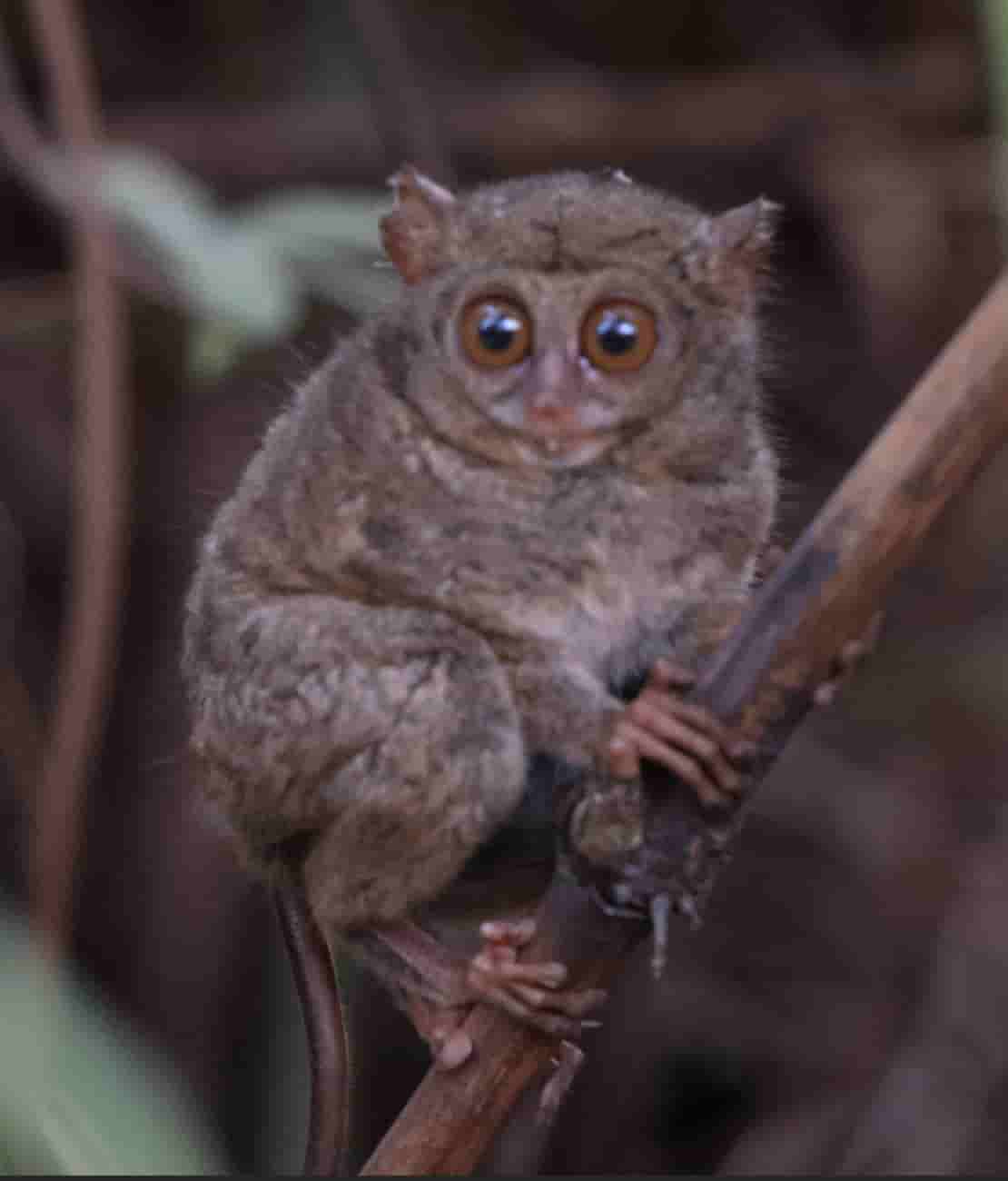
The Sulawesi tarsier is one of the smallest primates in the world. With enormous eyes adapted for night vision and the ability to rotate its head dramatically, it looks almost mythical.
Visitors can observe tarsiers ethically in places like Tangkoko Nature Reserve in North Sulawesi. Early morning or evening guided walks offer the best chances to see them.
For European travellers accustomed to structured wildlife safaris, Sulawesi offers a more intimate and immersive jungle experience.
Birdlife That Attracts European Birdwatchers
Sulawesi is a hidden paradise for birdwatching. Many European bird enthusiasts travel long distances in search of endemic species.
Maleo – The Bird That Uses Volcanic Heat
The Maleo is one of the island’s most extraordinary birds. Instead of incubating its eggs with body heat, it buries them in warm volcanic sand or geothermal soil. The natural heat incubates the eggs.
This rare reproductive strategy fascinates researchers and eco-travellers alike. Protected nesting sites are carefully monitored to prevent poaching.
In addition to the Maleo, Sulawesi hosts numerous endemic hornbills, kingfishers, and forest birds, making it an emerging destination for European birdwatching tours.
Protected Areas for Responsible Exploration
Sulawesi’s biodiversity survives thanks to protected areas, including:
- Lore Lindu National Park
- Bogani Nani Wartabone National Park
- Tangkoko Nature Reserve
These conservation zones allow controlled wildlife tourism while supporting local communities.
For European visitors, travelling with licensed local guides ensures minimal environmental impact and maximises wildlife observation opportunities.
Why Sulawesi Appeals to the European Market
1. Growing Demand for Sustainable Travel
Across Europe, travellers increasingly prioritise eco-friendly and ethical tourism. Sulawesi’s emerging eco-tourism model aligns perfectly with this trend.
2. Authentic Experiences
Unlike heavily commercialised wildlife destinations, Sulawesi remains relatively untouched by mass tourism. This appeals strongly to travellers from countries such as Germany, Switzerland, and Scandinavia, where authenticity and environmental awareness are highly valued.
3. Biodiversity Beyond the Ordinary
For Europeans who have already visited African safaris or Amazon expeditions, Sulawesi provides entirely different species and ecosystems.
4. Combined Cultural Experiences
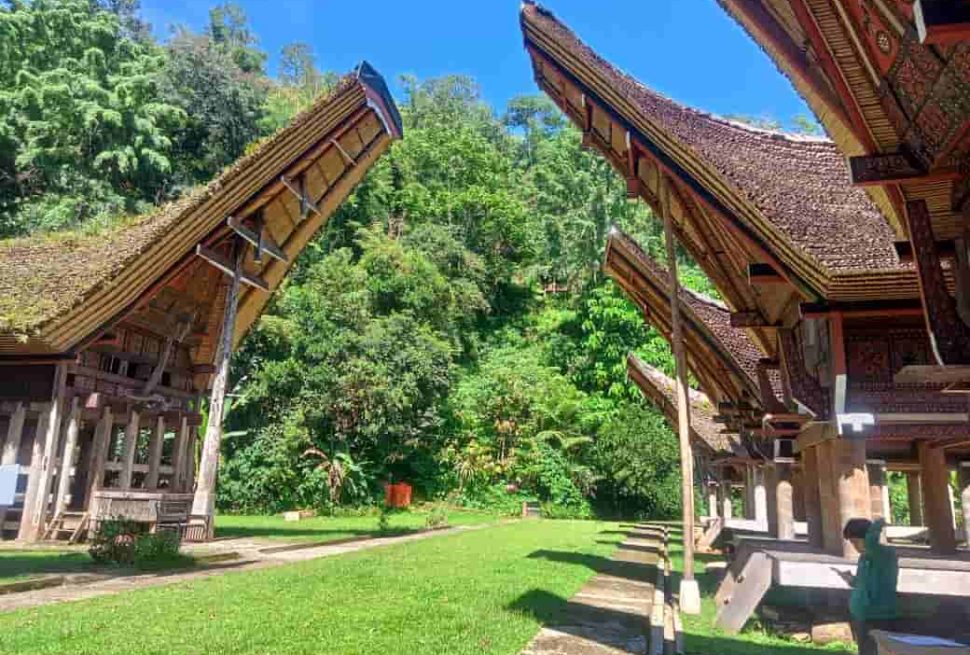
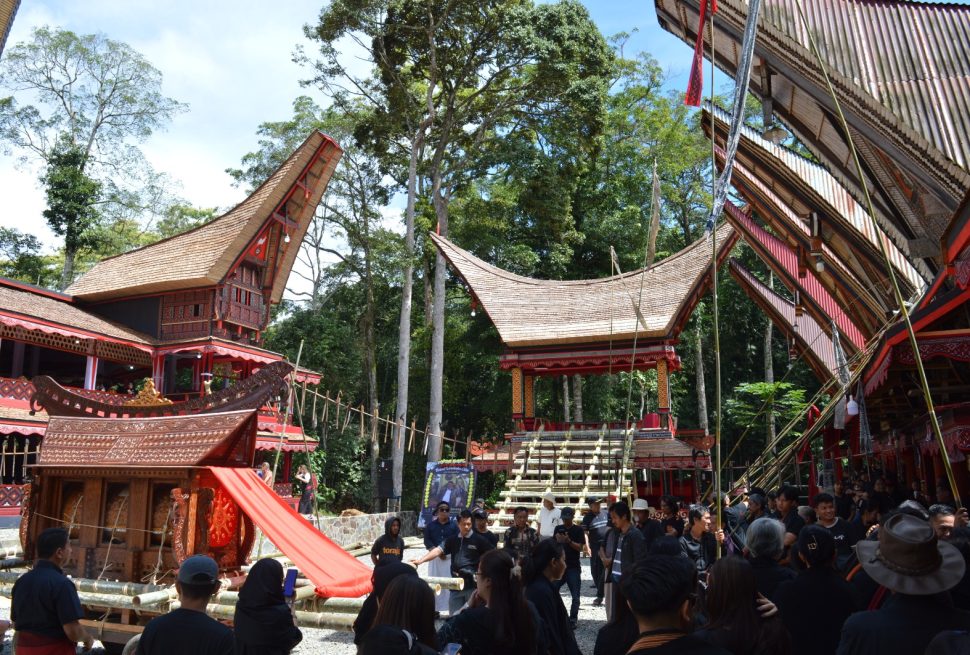
Wildlife trips can be combined with visits to Toraja highlands, traditional villages, and coastal marine parks, offering a complete travel experience.
Conclusion: Europe’s Next Great Wildlife Destination
Sulawesi is not a typical wildlife destination. It is a living laboratory of evolution — a place where dwarf buffalo roam ancient forests, deer-pigs wander remote valleys, and birds use volcanic heat to hatch their young.
For European travellers seeking meaningful, sustainable, and unique biodiversity experiences, Sulawesi offers something rare in today’s world: discovery.
Exploring endemic animals in Sulawesi is more than a holiday. It is an encounter with one of Earth’s last great natural frontiers.
Why Choose Our Local Expert Team
European travellers often tell us: “Sulawesi feels untouched, but also complex to organise.” That is exactly why choosing the right team matters. We are a locally based Sulawesi travel specialist with:
- Deep knowledge of remote regions
- Licensed wildlife guides
- Ethical and sustainable partnerships
- Flexible custom itinerary planning
- 24/7 on-ground support
Unlike mass tour operators, we focus on small, personalised journeys designed around your interests — wildlife, birdwatching, photography, culture, or slow eco travel.
We handle:
- Domestic flights
- Overland transport
- Eco-lodges
- Permits for national parks
- English-speaking guides
When you travel with us, you are not just visiting Sulawesi — you are experiencing it with people who call it home.
Why You Will Never Regret Choosing Us
Travelling across Sulawesi from South to North is not a simple trip. It requires coordination, local insight, and trusted networks.
With our team:
- No confusion
- No hidden surprises
- No unnecessary risks
Only carefully curated experiences designed for European standards of comfort and sustainability.
Many of our guests say their 30-day Sulawesi eco journey became:
- The most unique wildlife trip of their lives
- A deeper cultural experience than expected
- A destination they discovered before mass tourism
We don’t just organise tours.
We create meaningful journeys.
If you are ready to explore endemic animals in Sulawesi we have the good itinerary for 30 days start South Sulawesi to North Sulawesi, experience authentic villages, and travel responsibly across one of the world’s most unique islands, our team is ready to design your personalised itinerary.
Contact us and let us craft a seamless South to North Sulawesi journey — designed specifically for European travellers who value nature, authenticity, and unforgettable experiences.